How Canmore’s economy works
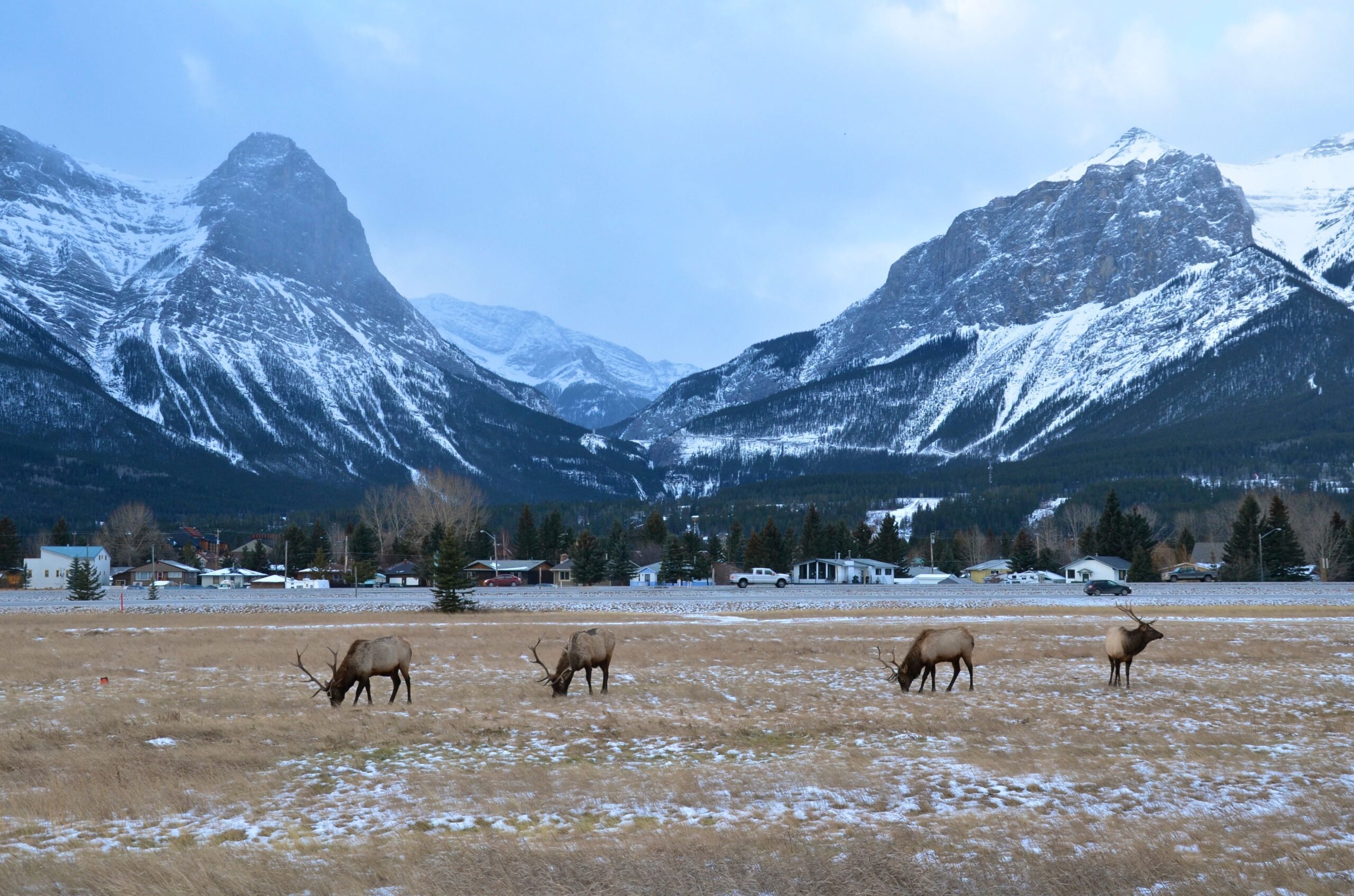
Canmore sits about 106 km west of Calgary and 22 km east of Banff on the Trans Canada Highway. The 2021 federal census counted 15,990 permanent residents, and the Government of Alberta puts the population near 17,000, which makes it the largest community in Alberta’s Rockies. The Town also tracks a large non permanent population: in 2021 about 2,369 private dwellings were not occupied by usual residents. An AI strategy helps you plan for the busy season and the slow one.
The Town’s economic development strategy names the main drivers by jobs and businesses: accommodation and food services, retail, construction, and professional, scientific and technical services. Arts, entertainment and recreation add to that, and Canmore has built a name for sports tourism.
The same strategy points to real limits. Housing, industrial land and commercial space are scarce, and the workforce depends on housing, transport and training across the region. The Town’s business plan includes a winter strategy for a stronger economy all year, a training needs assessment for local businesses, and more automation of its own business registry work.
Where AI fits for Canmore and the Bow Valley
Accommodation and food services. Small teams answer the same guest questions in every season. AI can draft replies, sort booking requests and turn reviews into a short list of fixes.
Construction and trades. With housing in short supply, builders juggle bids, permits and client updates. AI can draft quotes, summarise site notes and keep change orders clear.
Professional services and remote workers. Consultants, designers and engineers who work from the valley can get AI implementation and workflow design built around ChatGPT, Microsoft Copilot or Claude for research, proposals and reports.
Short staffed teams. When hiring is hard, AI takes repeat writing and admin off the people you have, so they can spend time with guests and customers.
A first AI project for a Canmore business
A good first project in Canmore starts with the season you find hardest. In summer and winter peaks, the pressure is guest volume: messages, bookings, reviews and staff rosters. In the shoulder months, the pressure moves to planning, marketing and hiring for the next peak. ZAK maps both and picks one task for each.
For a lodge or vacation rental manager, that might be a reply library for the twenty questions guests ask most, drafted with AI and checked by your team. For a builder working through Canmore’s housing demand, it might be a quote template that pulls from past jobs. For a guide or outfitter in Kananaskis Country, it might be trip briefings and waivers written once and reused.
Each project starts small, uses tools you already pay for where possible, and comes with a short written guide so new seasonal staff can pick it up.